When I first joined the Marina Chamber of Commerce Board of Directors, I did not arrive with a grand plan to become an advocate for economic development. Honestly, my goals were pretty simple. I wanted to meet new people, make some friends and help with the Chamber website.
But something changed as I became more involved.
Helping local businesses became a passion. Through my own work, I had already helped people build websites, launch businesses, refine marketing campaigns and find new ways to grow. I understood that a good website was not just a collection of pages. It could help a small business get discovered, earn trust and connect with the next customer who might keep its doors open.
That experience made serving the Chamber a natural fit. It also changed the way I looked at Marina.
Marina Already Has the People, Organizations and Ideas. What We Need Now Is a Shared Economic Mission.
I began to see that economic development is not only about attracting a large company or approving a major construction project. It is also about helping the businesses already here become more visible, giving new entrepreneurs a better chance to succeed, bringing visitors into the community and creating reasons for people to stay, eat and shop locally.
Most importantly, i learned that Marina already has many of the people and organizations needed to build a stronger local economy. They are simply not always working from the same plan.
Marina Already Has the Right People at the Table
The Marina Chamber of Commerce, The Marina Foundation, Kiwanis, Rotary, our hotels, restaurants, schools, nonprofits, major employers and neighborhood leaders all bring different strengths to the table.
The City of Marina also has an existing Economic Development Commission charged with advising the city council about economic development, downtown revitalization and ways to help businesses locate and remain in Marina.
What if we connected all of that experience, service and community pride around a shared economic mission?
Our Diversity Is an Economic Strength
I have always loved Marina’s diversity. It is one of the qualities that makes this community feel like home.
Marina’s 2026 Diversity Rankings
That diversity is not just something we say about ourselves. Current demographic information continues to support it. According to Niche’s 2026 rankings, Marina ranks first among the most diverse places in Monterey County, 37th among 1,852 places in California and 127th among 18,453 places nationwide.
That diversity is not just something we say about ourselves. Current demographic information continues to support it.
| Geographic Area | Marina’s Ranking | Places Evaluated |
|---|---|---|
| Monterey County | 1st | 20 |
| California | 37th | 1,852 |
| United States | 127th | 18,453 |
Source: Niche’s 2026 Marina rankings.
Marina’s Current Demographic Profile
Current U.S. Census Bureau estimates for Marina show a community that is 30.1% Hispanic or Latino, 13.2% Asian, 7.8% Black, 3% Native Hawaiian or Pacific Islander and 19% multiracial. The Census also reports that 21.6% of Marina residents were born outside the United States and 37.1% of residents age five or older speak a language other than English at home.
| Demographic Group or Characteristic | Percentage of Marina Residents |
|---|---|
| Hispanic or Latino | 30.1% |
| Asian | 13.2% |
| Black or African American | 7.8% |
| Native Hawaiian or Other Pacific Islander | 3.0% |
| Two or More Races | 19.0% |
| Foreign-Born Residents | 21.6% |
| Residents Age 5+ Who Speak a Language Other Than English at Home | 37.1% |
Source: U.S. Census Bureau QuickFacts for Marina, California.
Those numbers are reflected in our neighborhoods, our families and especially our food.
Marina’s Diversity Is the Heart of Our Local Economy
Marina’s independent restaurants and small businesses preserve the heart of old Marina. They reflect our cultures, create a sense of belonging and give this city a character that cannot be manufactured by a national marketing campaign.
Even See Monterey’s Marina food tour highlights the city’s wide variety of locally rooted dining experiences, including Chinese, Italian and Vietnamese cuisine. Its broader Marina restaurant directory further demonstrates the range of food available within our relatively small community.
Individually, many of these businesses may not generate enormous amounts of revenue. Together, however, they are one of Marina’s most distinctive economic assets.
If we lose them, we lose more than storefronts. We lose pieces of our identity.
That is why economic growth should not mean replacing old Marina with something unrecognizable. It should mean giving the businesses, families and cultures that built this community a greater opportunity to participate in Marina’s future.
We Have Already Seen What Collaboration Can Do
During my time as chamber president, we developed relationships with CSUMB, regional business-development programs, tourism organizations and neighboring chambers. We collaborated on websites, business programs, promotions and other projects that increased Marina’s visibility and gave local businesses access to more resources.
The chamber’s own website became a major community resource. Its active business directory, community calendar and local blog attracted thousands of visits each month before covid-19. It gave Marina a stronger digital front door and allowed people in neighboring communities to discover businesses, events and opportunities here.
It was an awesome time.
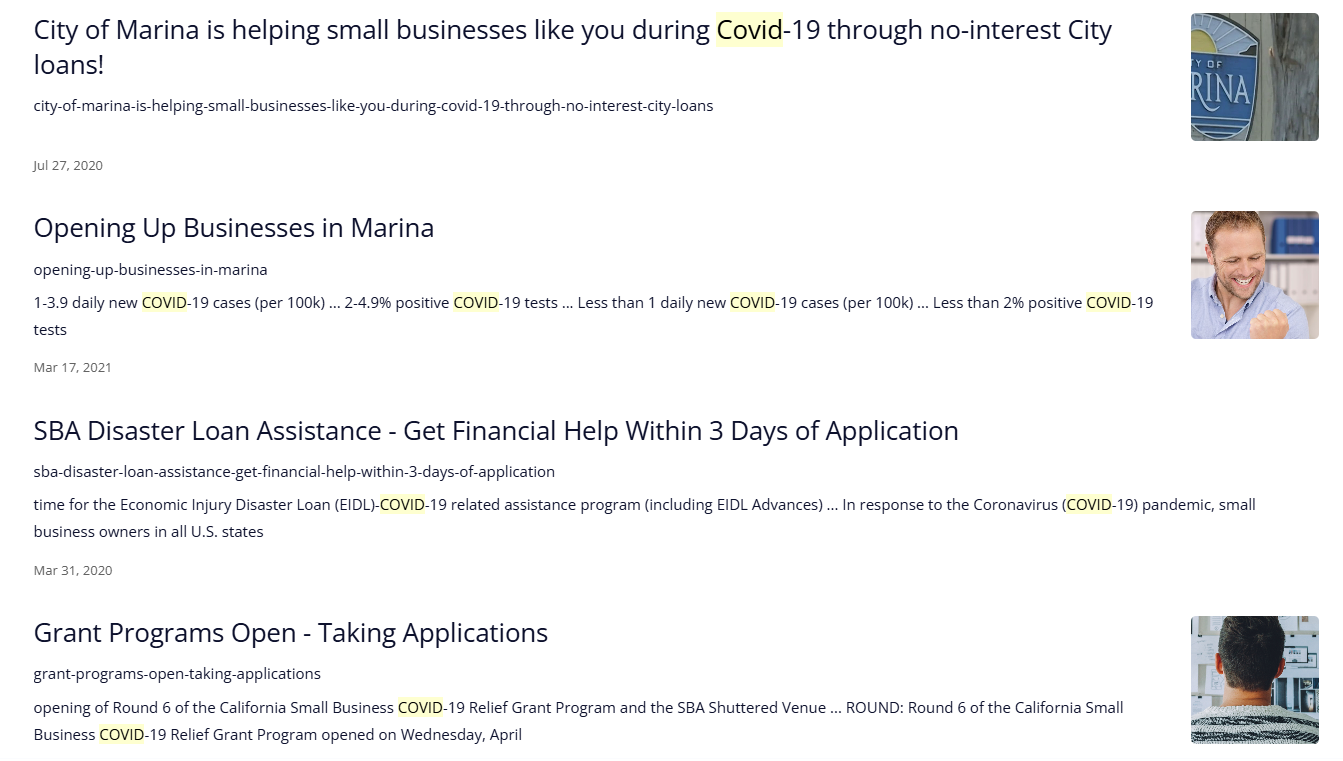
The Chamber website was the city’s core source of local business assistance during Covid-19.
Then Covid-19 arrived, and many of us on the chamber board were trying to help the business community while our own businesses were suffering from the same economic collapse. Even under that pressure, volunteers came together because we understood that our neighbors needed us.
Flavors of Marina Is Another Example of What Is Possible.
It is a cherished local event that repeatedly sells out. in fact, Marina’s ability to expand it has been limited partly by the lack of a large enough local venue. That is both a challenge and an opportunity. Demand exists. The question is whether we have the coordination, facilities and long-term plan to build upon it.
Unfortunately, i also experienced the other side of community work. Organizations often operated in separate silos. Good ideas sometimes stalled because no one owned the next step. Volunteers and funding were limited. Political disagreements could overshadow practical projects.
From my perspective as chamber president, communication with the city was nearly nonexistent, and the chamber was not treated as the economic-development partner it could have been.
That is not written to reopen old arguments. It is written because a stronger future requires us to acknowledge what has not worked and choose a better approach.
That history does not have to determine Marina’s future.
Five Steps Toward a Stronger, More Collaborative Marina Economy
Marina does not need to start from scratch. We already have the organizations, business leaders, volunteers, cultural diversity and community experience needed to move forward. What we need is a shared direction that allows each group to contribute its unique strengths while working toward common economic goals.
The following five-step plan offers a practical starting point for bringing our nonprofits, service clubs, businesses, educators and City leaders together. It is not intended to be a finished government program. It is an invitation to begin the conversation, assign meaningful roles and turn some of Marina’s best ideas into coordinated action.
1. Form a Marina Economic Partnership
The first step should be bringing our existing organizations to one table.
I suggest creating a Marina Economic Partnership with representatives from the Chamber of Commerce, the Marina Foundation, Kiwanis, Rotary, local hotels, independent restaurants, major employers, CSUMB, workforce and education partners, cultural organizations and other community groups.
The city should participate through staff or a city council liaison, and the partnership should establish a productive relationship with Marina’s existing Economic Development Commission.
This would not replace the commission or interfere with the independence of any participating organization. The commission would remain the city’s formal advisory body. The partnership would become a broader community working group capable of generating ideas, organizing volunteers, developing programs and bringing practical recommendations forward.
Each organization already has a natural contribution:
- The Chamber understands local business, promotion, networking and entrepreneurship.
- The Marina Foundation can facilitate community programs, collaboration, scholarships, fundraising and financial support.
- Kiwanis can connect economic opportunity with children, youth leadership and service.
- Rotary brings together business, professional and community leaders with project-management and fundraising experience.
- Hotels understand visitor behavior, occupancy patterns and regional travel.
- Restaurants and retailers understand what it takes to survive on marina’s streets every day.
- CSUMB and other educational partners can connect students, research, internships and workforce development.
- The city can contribute data, facilities, planning, grants, infrastructure and access to formal decision-making.
- The economic development commission can evaluate recommendations and connect the partnership’s work to the city council.
No single group has to carry the entire burden. That is the point.
The partnership’s first major gathering could be a Marina Economic Summit. Rather than another ceremonial meeting, it should end with a short annual plan, named project leaders, timelines and a public way to measure progress.
2. Launch “Visit Monterey County. Stay in Marina.”
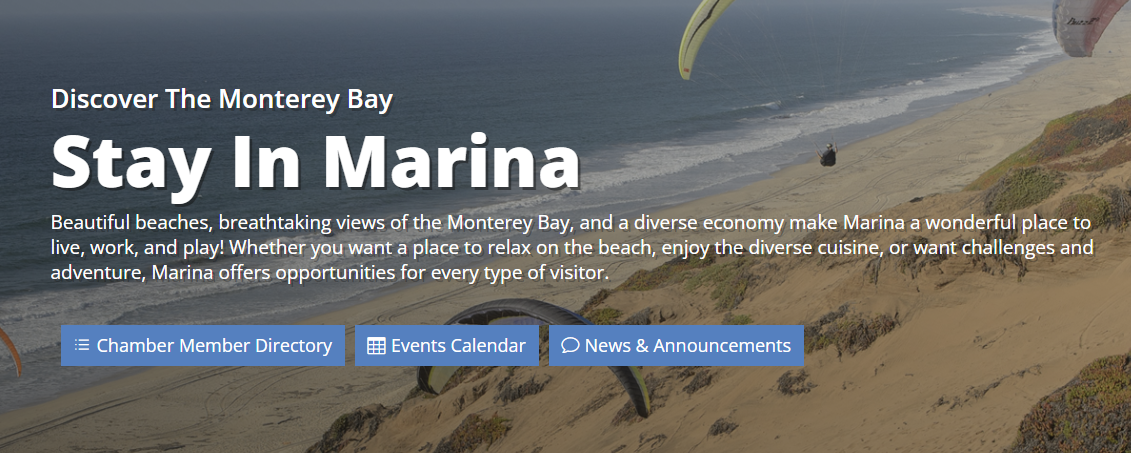
Years ago, I developed a simple vision: people may come to see Monterey, Carmel, Big Sur and the greater peninsula, but marina should give them a compelling reason to stay here, eat here and shop here.
Today, i would broaden that idea into a campaign called:
Visit Monterey County. Stay in Marina. Eat local. Explore more.
This is not about presenting Marina as nothing more than a less expensive alternative to Monterey. Marina has its own experience to offer: beaches, dunes, fort ord trails, outdoor recreation, proximity to CSUMB, convenient regional access and one of the most diverse collections of locally owned restaurants on the peninsula.
Visitors could spend their day exploring Monterey County and return to Marina for dinner, shopping and lodging. Better yet, we can create itineraries that give them reasons to spend part of the day here as well.
This matters to every resident because hotel occupancy directly affects City revenue. Marina’s transient occupancy tax is calculated as a percentage of taxable lodging rent, so increases or decreases in hotel stays and room revenue can affect the amount collected by the City.
According to the City of Marina’s official transient occupancy tax information, hotel and lodging operators are required to collect and remit a tax equal to 14% of taxable rent.
For fiscal year 2025–26, the City reported approximately $6.49 million in transient occupancy tax revenue, representing 20.7% of Marina’s tax revenue. The City explains that these tax revenues collectively help fund essential services such as police and fire protection, street maintenance, parks, community programs and general City operations. Additional General Fund expenditures support recreation, planning, public works and core administrative services.
Sources: City of Marina Transient Occupancy Tax and City of Marina Facilities and Budget Overview.
Filling hotel rooms is not simply good for hotel owners. It strengthens Marina’s ability to serve its residents.
This campaign should complement the work already being done by See Monterey, not compete with it. Marina already has dedicated destination, lodging and dining content within the countywide tourism system. A local tourism committee could give regional marketers more Marina events, photographs, packages, itineraries and stories to promote.
We should also build useful online content around what visitors are actually searching for, including “Things To Do in Monterey,” “Where to Stay Near Monterey,” “Monterey Weekend Itinerary” and “Restaurants Near Monterey.” Marina does not need to change its identity to appear in those searches. We need to connect what visitors are seeking with what our community already offers.
3. Turn Marina’s Food and Culture Into a Year-Round Destination
Flavors of Marina should become the centerpiece of a broader, year-round effort to showcase our independent restaurants and cultural diversity.
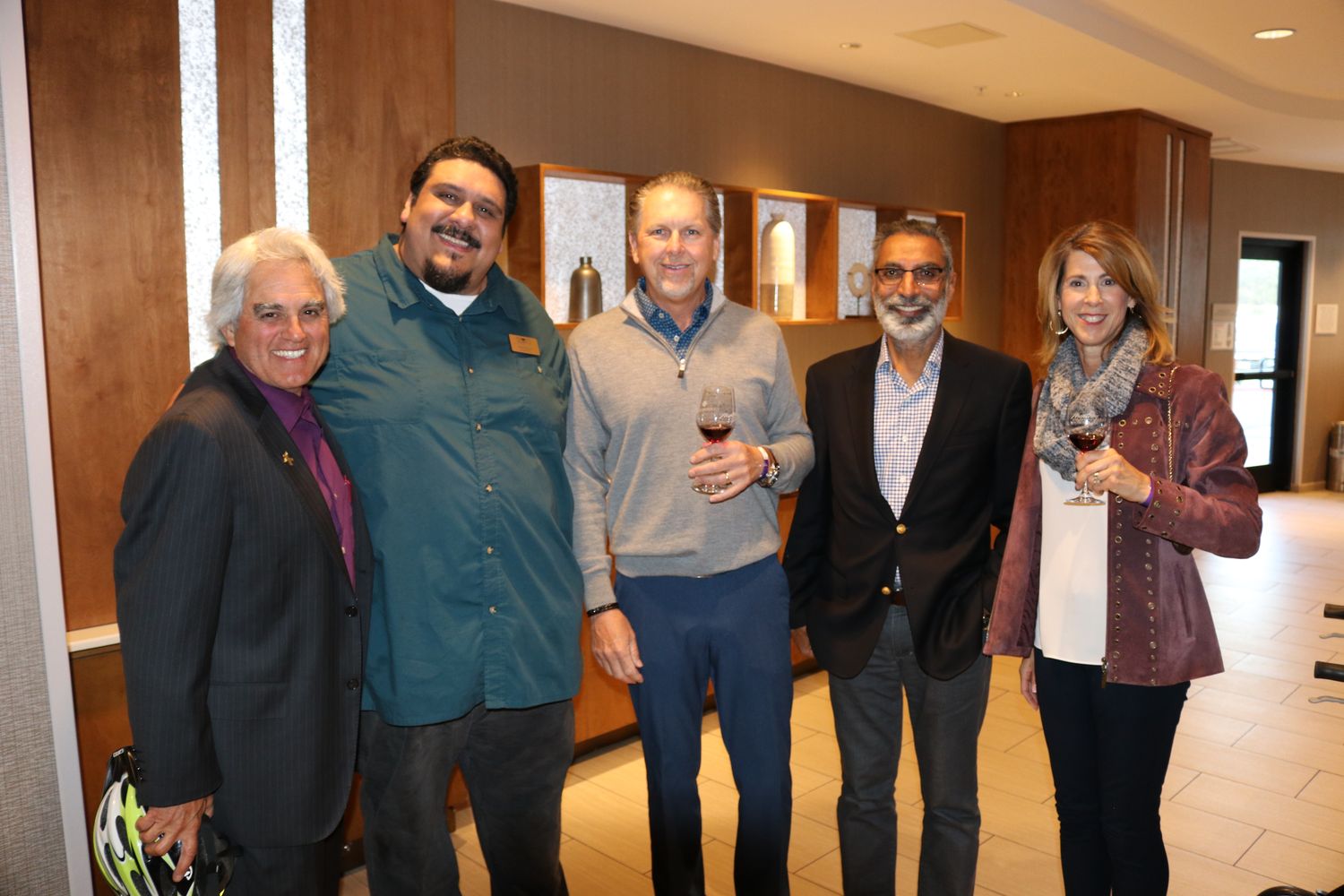

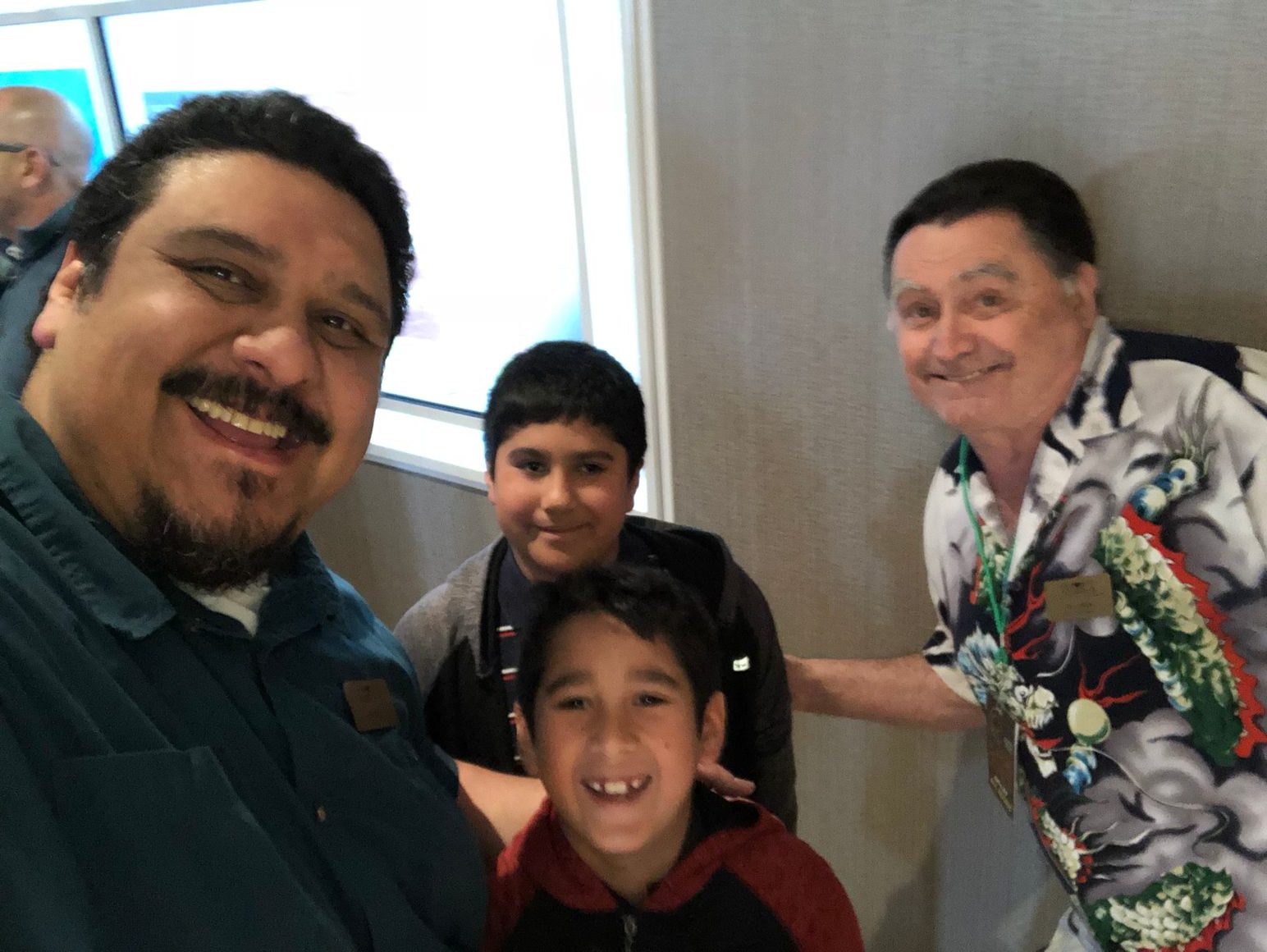


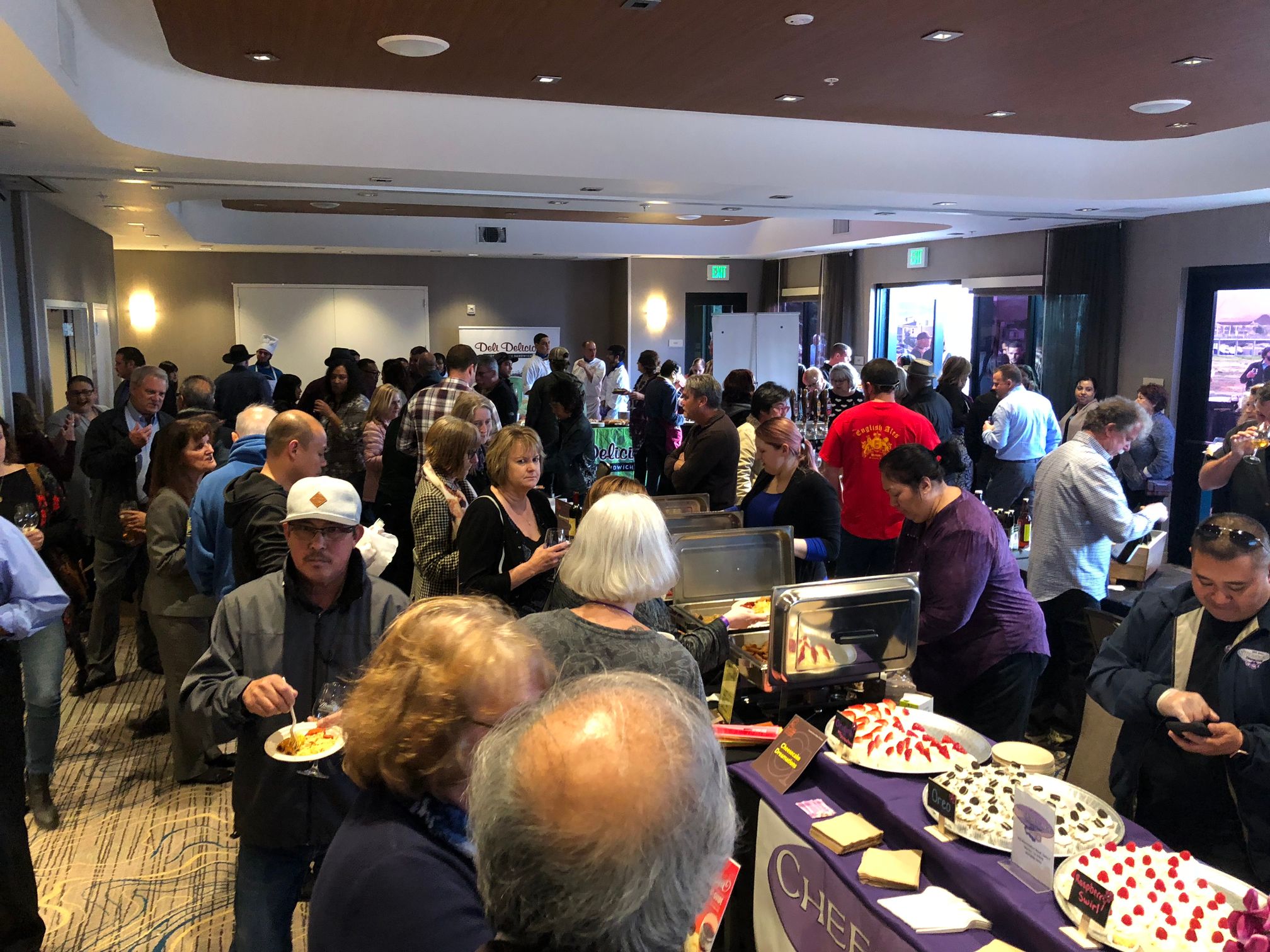
Imagine building upon flavors with:
- Seasonal marina food trails
- A local dining passport with prizes and hotel packages
- Restaurant weeks or monthly marina dining nights
- Small cultural festivals featuring food, music, art and history
- Organized tasting tours for regional media, photographers and food writers
- Promotions connected to car week, csumb events, military graduations, conferences and other regional draws
- Cooperative advertising aimed at monterey, seaside, salinas, south county, santa cruz county and visitors planning peninsula trips
- A signature annual event large enough to attract visitors from beyond marina
A Year-Round Diversity Project Built Through Shared Leadership
This is exactly the kind of initiative our local nonprofits and service organizations could build together. Instead of asking one organization or a small group of volunteers to manage every event, each group could contribute according to its mission, relationships and strengths.
- The Marina Chamber of Commerce could coordinate participating restaurants, hotels and businesses while leading promotion, sponsorships and the dining passport.
- The Marina Foundation could help facilitate collaboration, support fundraising and grants, connect the campaign with Marina’s cultural history and potentially assist with community programs related to the events.
- Kiwanis could create opportunities for youth volunteers, student leadership, culinary education and service projects connected to participating restaurants and cultural celebrations.
- Rotary could contribute professional leadership, sponsorship development, volunteer coordination and relationships with business and community leaders throughout the region.
- Hotels and restaurants could create dining packages, overnight promotions, tasting experiences and incentives that encourage visitors to stay in Marina and explore more of the community.
- Schools, artists, musicians, cultural organizations and neighborhood groups could help tell Marina’s stories through performances, exhibits, demonstrations and family-friendly activities.
- The City of Marina could support the effort through facilities, permits, public spaces, event coordination and inclusion in its official communications and economic-development planning.
From One Popular Event to a Year-Round Experience
Together, these organizations could create a shared annual calendar under the Flavors of Marina name. One organization would not have to carry the entire workload. Different groups could lead different seasons or projects while working from the same brand, promotional campaign and economic-development goals.
For example, spring could feature the traditional Flavors of Marina celebration. Summer could introduce neighborhood food trails and outdoor cultural events. Fall could include a Marina Restaurant Week or dining passport timed around regional travel. Winter could focus on holiday dining, local shopping and hotel packages. Each activity would promote the next one, allowing Flavors of Marina to become more than a single event. It could become a year-round invitation to experience Marina.
This collaborative model would also allow the participating organizations to share volunteers, sponsors, marketing resources and regional relationships. More importantly, it would give each group a meaningful role in strengthening Marina’s locally owned businesses while remaining faithful to its own mission.
Creating Room for Flavors of Marina to Grow
The lack of a sufficiently large event venue should also become part of our economic discussion. If a proven local event repeatedly sells out but cannot grow because we lack an appropriate space, that tells us something about an unmet community and economic need.
Marina does not need to imitate Carmel or Cannery Row. Our advantage is authenticity. We offer family-owned businesses, global flavors, accessible experiences and the feeling that visitors have found a place where local people actually live, work and gather.
That is something worth protecting, packaging and promoting.
4. Connect Community Service with Workforce Opportunity
Economic development should not be measured only by buildings, tax receipts or the arrival of a major employer. It should also be measured by whether Marina residents can participate in the opportunities being created.
This is where our service organizations, schools, nonprofits and employers can work together.
The partnership could develop:
- A Marina Youth Entrepreneurship program
- Paid internships with local businesses and community organizations
- Apprenticeship and career fairs
- Small-business mentoring and startup workshops
- Hospitality, marketing and customer-service training
- Career pathways connected to advanced aviation, technology, construction, healthcare, public service and tourism
- A “Made in Marina” business and innovation showcase
- Procurement workshops connecting small businesses with major employers and public contracts
Advanced aviation may become an important economic pillar for marina, especially as companies such as Joby Aviation expand their presence and workforce. But it should be one pillar within a diversified economy, not the entire plan.
The larger goal is to create connections among employers, educators, young people, entrepreneurs and existing businesses before opportunities pass our residents by.
Kiwanis, Rotary, The Marina Foundation and the Chamber all have different relationships and talents that could help make those connections real.
5. Publish a Shared Plan and Measure the Results
Marina does not need another committee that produces thoughtful conversation but no clear next step.
The partnership should publish a simple Annual Marina Economic Opportunity Plan. It does not need to be a hundred-page government document. It should identify a limited number of achievable priorities, assign responsibility and report progress publicly.
First-year goals might include:
- Convening the first Marina Economic Summit
- Launching the tourism and local dining campaign
- Expanding Flavors of Marina or developing a complementary event
- Increasing Marina’s visibility on regional tourism and event calendars
- Creating hotel, restaurant and attraction packages
- Improving coordinated marketing for local businesses
- Establishing internships, apprenticeships or youth entrepreneurship opportunities
- Connecting local businesses with major employers and purchasing opportunities
- Tracking hotel occupancy, event attendance, business participation and campaign traffic
- Presenting quarterly progress to the economic development commission and city council
The purpose of measurement is not to create more bureaucracy. It is to keep good ideas from disappearing once the meeting ends.
We Do Not Have to Wait for Someone Else to Make Marina Strong
Marina’s economic future should not depend entirely on another tax proposal, one developer, one employer or one election.
We already have business leaders, service clubs, nonprofits, hotels, restaurants, educators, volunteers, residents and an economic development commission. We already have diversity, regional relationships, natural beauty, local talent and proof that people will support marina events and businesses when they know about them.
What We Need Is a Shared Mission.
The City has official authority. The Chamber understands business. The Foundation can facilitate collaboration and support. Rotary brings professional leadership. Kiwanis connects service with young people. Hotels understand visitors. Our restaurants embody Marina’s diversity. Our schools and employers can help create pathways into the jobs of tomorrow.
None of them can transform Marina alone.
Together, We Could Become an Economic-Development Powerhouse.
I am willing to help shape the strategy, build the digital campaign, promote the effort publicly and serve in an advisory capacity. I suspect many others would contribute their own time and talents if they could see a credible plan, understand their role and trust that the work would move forward.
Marina can become an emerging leader in regional economic cooperation and civic innovation. Not by competing with our neighbors, and not by abandoning the character of old marina, but by recognizing that our diversity, our small businesses and our community organizations are some of our greatest strengths.
The question is not whether Marina has enough good people or good ideas.
The question is whether we are finally ready for leaders that can help to bring them together. #buldingcommunity
Research sources
- Marina Economic Development Commission
- City of Marina budget and facilities overview
- City of Marina transient occupancy tax information
- Marina Chamber of Commerce
- The Marina Foundation
- Marina Rotary Club
- Kiwanis International Mission and Values
- Flavors of Marina 2025
- See Monterey: Explore Marina
- See Monterey: A food tour through marina
- U.S. Census Bureau quick facts: Marina
- Niche 2026 Marina rankings

Geno Quiroz serves on the Marketing & Technology team at IPX1031, a Fidelity National Financial company and a national leader in 1031 tax-deferred exchange services. In his current role, Geno focuses on website architecture, design, development, SEO/AIO, and digital marketing strategy. His work helps strengthen the company’s digital presence, improve user experience, and ensure that IPX1031’s online platforms effectively support client engagement and long-term growth.
Concurrently, Geno continues to lead Monterey Premier, the web design and strategic consulting firm he founded in 2015. Through Monterey Premier, he partners with entrepreneurs, nonprofits, and growing organizations to design high-performance websites, refine digital sales funnels, and implement conversion-focused strategies.
His hands-on experience building and scaling a client-facing agency has provided him with a real-world understanding of growth strategy, brand positioning, and the operational realities of business ownership — experience that now directly informs and strengthens his work in enterprise marketing technology.